


By Shruti Menon Seeboo
In a business landscape defined by constant change and competitive pressure, cultivating a resilient and inclusive workforce is no longer an option—it’s a necessity. To address this critical need, Allyson Reneau, a globally recognised expert in leadership, resilience, and business strategy, arrived in Mauritius to deliver two exclusive corporate training sessions. Organised by Mind Initiatives in collaboration with CA Counselling Services, these workshops were designed to equip professionals with the essential skills to thrive, focusing on fostering gender diversity, inclusive leadership, and building a truly resilient workforce.
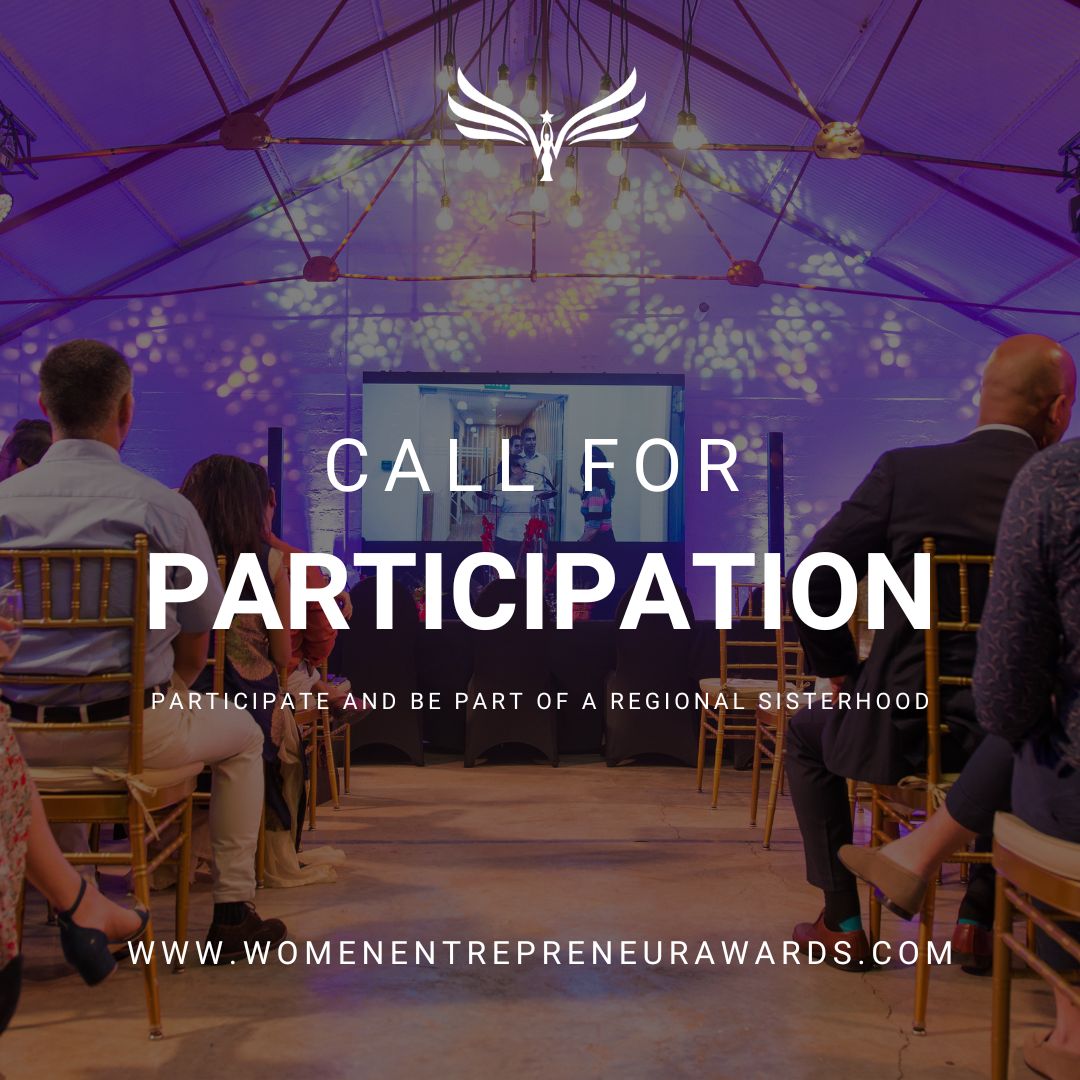
It was on the first day of this transformative programme, during the training session “Women in Leadership in the Workplace – Fostering Gender Diversity and Inclusion” on September 9, that a powerful panel discussion took place. Guided by moderator Rubina Ruhee, a distinguished coach and corporate trainer, the conversation featured an insightful exchange with three esteemed panellists: Appalsamy Dass Thomas, Board Director of Air Mauritius, Lawyer Lovena Sowkhee, and Parveen Mactoom of Air India.
Dass Thomas: Resilience, Empathy and Leadership from the Floor
Rubina Ruhee opened the discussion by asking Dass Thomas for his take on women’s development in leadership roles. Thomas, drawing from his extensive global career, immediately expressed his profound admiration for the countless female leaders who have not only held their own on the world stage but have also shaped history and left behind enduring legacies. He cited an impressive list of countries—including the UK, Germany, India, and Australia—that have been led by women, noting that they “don’t have anything to envy those male presidents, prime ministers, and they’ve left legacies behind.”
He spoke with particular admiration for figures such as Angela Merkel, who led Germany with a unique blend of discipline, strength, and pragmatism. For 16 years, she steered her country through a tumultuous period, a testament to her unyielding character and strategic prowess. Similarly, he recalled Indira Gandhi, describing her as “tough as well, but very disciplined,” and a leader who exemplified the fortitude required to be at the helm of a nation. Thomas underscored one key quality that these and other successful women leaders possess: resilience. He explained that women who aspire to leadership must not be afraid to take bold decisions or “let themselves be terminated by the male general,” a powerful phrase that speaks to the resistance they often encounter.
Based on his close interactions with female CEOs, Thomas revealed some of the critical habits he has observed. “These women do build up their personal knowledge. They keep on learning,” he noted, highlighting their insatiable curiosity. They do not rest on their expertise but continuously expand their understanding of the entire business ecosystem. He stressed that they master “the language of business” and understand the intricate dynamics of every function within an organisation, from marketing and production to corporate governance, finance, and human resources. While some may be perceived as tough in the boardroom, Thomas added that this toughness is often balanced with a profound empathy for others. These women, he added, are also incredibly focused and efficient, and “they don’t waste time.”
To illustrate his point on modern leadership, Thomas recounted a compelling story from his time at an executive management programme in the US, where he had the opportunity to meet the renowned guru of excellence, Tom Peters. Peters told a story about a company on the verge of collapse. The board, in a bold and unconventional move, appointed a retired teacher to be its CEO. Thomas described her as a “bit of a high-school teacher.” In a dramatic turnaround that amazed everyone, the company became prosperous again in less than three years. What she did, Thomas explained, was “nothing special.” She went down to the manufacturing unit every single day, talking to everyone, asking questions like, “What is it that you need in order for you to be producing better results?” and “How can I be your support?” She transformed her role from an authoritative CEO into that of a facilitator, communicating with and motivating every single person in the company. Everyone was motivated because they saw in her “somebody working together with them to get that company up again.” This story, Thomas concluded, demonstrates that to be a true leader, you must understand your people, your product, your market, and your resources.
In his final remarks, Thomas highlighted several other essential traits for success in a male-dominated environment. He admires a woman who has “a sense of innovation” and is not “risk averse.” He also emphasised the need for continuous, lifelong learning as a means of building a strong personal brand. He believes that women must empower themselves with the right tools and strategies to turn barriers into opportunities. “Anything which is negative,” he advised, should be seen as a chance to grow and innovate. He concluded that if a woman can manage to develop the skills to be an opinion leader, she can overcome obstacles and find her rightful place at the table.

Parveen Mactoom: Collaboration, Cultural Barriers, and a Shift in Mindset
Following Dass Thomas, Parveen Mactoom provided a powerful assessment of the progress women have made in leadership within her specific industry: travel and tourism. She noted that over 50 per cent of the global workforce in hospitality are women, highlighting what she sees as their natural inclination towards service and their innate ability to multitask.
Mactoom then posed a challenging question to the audience and to herself: “Are we happy with where we are?” She suggested that for a very long time, women entering the workforce were content to remain in frontline and middle management positions, perhaps due to a conscious choice to balance their professional lives with their roles as “super mums.” However, she argued that the post-COVID world has seen a profound shift in this mindset, where women are increasingly choosing to step up and take on leadership roles. She passionately rejected the notion that leadership is defined solely by titles, asserting that “we are leaders at home. We are leaders within our family.” She added that women are capable of leading their own lives and feeling good about it, regardless of their position within a company.
Mactoom firmly stated that women are not in competition with men. “We need men and men need us,” she said, advocating for collaboration over rivalry. She pointed to a growing sense of equity and balance in the hospitality industry, where more women are now working as chefs and more men are taking on roles like human resources that were once seen as female-dominated. These shifts, she believes, are a testament to the fact that people are beginning to be recognised for their performance, not their gender. This balanced partnership, she concluded, is what humanity needs to move forward.
She also delved into the deep-seated cultural and historical barriers that have hindered women’s progress, tracing them back to traditional societal roles where men were the breadwinners and women were the leaders of the home. She offered a compelling example that underscored how these biases are embedded in history itself. She revealed that on the Eiffel Tower, the names of 72 scholars are inscribed, all of them male, despite many notable women having contributed to the fields of science and engineering during the same era. “It took us 136 years for a country which is in Europe, and you will say it’s very prone to recognise women, to recognise that women had their place on a monument like the Eiffel Tower,” she explained, highlighting the slow and deliberate work required to rewrite history.
Mactoom concluded with a word of hope. While she acknowledged that the journey towards true equality is far from over, she believes that with a change in mindset and a collective effort, the barriers that are “historically, traditionally, culturally present” can be broken. She reinforced the idea that this change must start at the grassroots level, citing the educational model in Finland where boys and girls are taught both cooking and manual work from an early age. This approach, she said, helps to “put aside the gender and make everyone do everything,” thereby eliminating deeply ingrained biases from the very beginning.

Lovena Sowkhee: Legislation, Visibility, and Corporate Will
Lovena Sowkhee, a barrister with over two decades of legal experience, began her remarks by challenging the notion of traditional gender roles that society still clings to. She pointed out the irony that while cooking is often associated with women’s historical role, many of the world’s most renowned chefs are men. This, she argued, is a prime example of the “invisible barriers that us women have to face.”
She then turned her attention to the legal frameworks in Mauritius, specifically the 2019 amendment to the Companies Act that requires public companies to have at least one woman on their board of directors and public listed companies to have at least 25 per cent. Sowkhee did not mince words, calling the legislation a “half measure.” She found it shocking that, in 2019, the law only required “at least one woman” and, worse, that there were no sanctions for non-compliance. This, she argued, made the legislation toothless and a mere symbolic gesture. “Only beggars,” she said, “it’s like the man is throwing them, yet towards us, we’re having crumbs.”
Sowkhee advocated for a more stringent, proactive approach, citing the Norwegian example where companies that fail to reach a certain level of gender parity are subjected to serious sanctions, including the threat of dissolution. She believes that while the 2019 law has given some women the opportunity to be on boards, it will take “generations to reach parity” at this current pace. She called for companies to be more inclusive, arguing that boards with more women will inevitably “make more money.” To achieve this, she suggested that change must be legislated, as it would otherwise take “centuries” to happen naturally. “I mean, legislations are very important,” she stated, “because we’ve reached the point that if we want things to move, we need to force companies.”
The session concluded with Allyson Reneau’s powerful final remarks. She spoke to the need for a political will, arguing that while legislation is a step, it boils down to the beliefs of political leaders who have the ultimate authority to appoint boards. Reneau, having personally worked with highly capable female CEOs, believes that the talent is there but the opportunities are not. She shared a compelling anecdote about a female CEO in charge of 5,000 people who was praised by her Group Chairman for being a “very comfortable person” who was not interested in personal gain, but in the success of the company.
Reneau also touched on some of the internal pitfalls that can hinder women’s career progression. She pointed to the strong imbalance between family and career, especially when a woman has a “very male dominant” spouse who believes she should prioritise the family. This domestic dynamic, she noted, leads many women to “go down to the whims and desires” of their partners, abandoning their own career aspirations. Furthermore, she highlighted how motherhood can sometimes cause women to voluntarily pull back from career opportunities, such as high-level business trips. Another issue, she noted, is that some women “fear to delegate” and take on too much, leading to them becoming overwhelmed and unable to progress.