

By Shruti Menon Seeboo
The 9th Pension Funds & Alternative Investments Africa (PIAfrica) conference, held in Mauritius in February 2026, underscored a pivotal shift in the continent’s financial landscape. With African institutional assets now exceeding USD 2 trillion, the focus has moved beyond simple diversification towards a strategic mandate for local capital mobilisation.
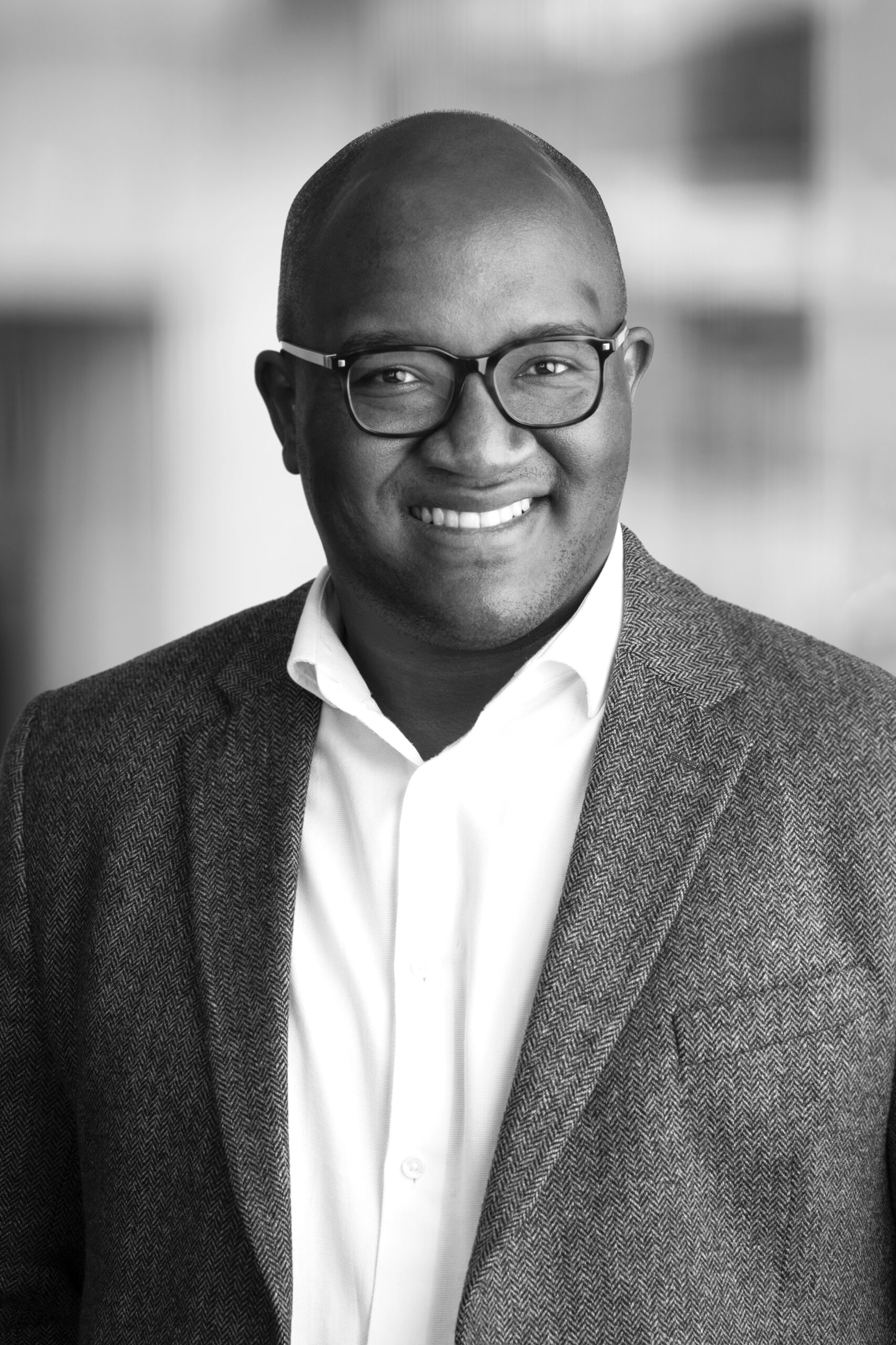
At the heart of this transition is Siongo Kisoso, Regional Director for East and Southern Africa at Swedfund. A seasoned investment leader with a track record of pioneering sustainability-linked finance, Kisoso operates at the intersection of impact and commercial viability. Swedfund, the Swedish Development Finance Institution (DFI), plays a critical role in this ecosystem by providing the “additionality” required to de-risk high-impact projects in clean energy and infrastructure.
In this interview, Kisoso explores the mechanics of Blended Finance, citing the landmark GIP Zambia deal as a blueprint for successfully anchoring domestic pension capital in private markets. From addressing the infrastructure deficit to the necessity of local currency financing, he outlines how DFIs are evolving from mere capital providers into strategic partners. His vision offers a compelling roadmap for unlocking the “missing middle” and positioning East and Southern Africa as a scale-ready destination for global climate-forward investment. Excerpts:
- Swedfund is instrumental in demonstrating the value of Sustainable Infrastructure. How do you define the success and measure the impact of an investment in Clean Energy and Transition Financing in East Africa, beyond just the financial returns?
For Swedfund, success in clean energy and transition financing in East Africa is defined by development impact, with financial viability as a prerequisite. What matters is what the investment delivers for people, climate and the countries we invest in.
We define success upfront through a clear impact intent and theory of Change. Each investment is assessed on its ability to expand access to affordable and reliable clean energy, reduce emissions, create decent jobs and strengthen local value creation.
Impact is measured through harmonised indicators aligned with international standards, including avoided emissions, energy access, job creation, gender outcomes and mobilisation of private capital. Performance is monitored annually, verified and externally audited, and actively managed through board engagement and technical assistance.
A key measure of success in East Africa is additionality. We invest where capital is scarce and risks are high to enable projects that would not otherwise occur, while advancing long‑term poverty reduction and a lower‑carbon transition.
2. A core theme is Blended Finance Models. Can you provide a concrete example of a recent Swedfund deal in East Africa that successfully mobilised local African pension fund capital into a project that otherwise might not have been investable?
We have one particular deal in the Eastern and Southern Africa region. In July 2025, Swedfund, British International Investment (BII), and Zambia’s National Pension Scheme Authority (NAPSA) launched Growth Investment Partners Zambia (GIP Zambia) with a USD 70 million initial close, anchored by commitments of USD 15 million, USD 37.5 million, and USD 17.5 million respectively.
Designed to provide long-term, flexible local currency financing for SMEs, GIP Zambia offers a credible, risk-managed entry point for institutional investors to diversify into private markets and support the real economy. By acting as anchor investors, Swedfund and BII successfully mobilised NAPSA’s pension capital, de-risking the fund and aligning investment objectives with Zambia’s national development strategy. This collaboration unlocked local institutional capital for SME growth and set a precedent for blended finance in Africa.
3. In the context of The Private Markets Acceleration, where do you see the biggest gaps in the East African financial ecosystem (e.g., lack of Private Credit or structured equity) that DFIs are stepping in to fill?
The biggest gaps in East Africa’s financial ecosystem are in private credit, structured equity, infrastructure financing, and local currency capital. DFIs are filling these gaps by acting as anchor investors, providing blended finance, and de-risking investments to crowd in private and domestic institutional capital.
In East Africa, commercial banks’ risk aversion and reliance on short-term, collateral-heavy lending constrain SMEs’ access to affordable long-term credit, creating a financing gap that DFIs step in to bridge through private credit facilities that foster growth and job creation.
Structured equity for scaling businesses remains scarce, as local investors and pension funds are cautious about private markets; here too, DFIs play a pivotal role by providing balanced instruments that enable expansion while mobilising domestic capital. The region’s massive infrastructure deficit cannot be addressed through concessional loans and grants alone, prompting DFIs to deploy blended finance, syndicated loans, and equity stakes that crowd in private investors for long-term infrastructure financing.
Moreover, with most financing denominated in foreign currency, SMEs and infrastructure projects face significant exchange rate risks, which some DFIs mitigate by offering local currency financing with longer tenors, thereby reducing currency mismatches and supporting sustainable growth.
4. What key reforms in Governance, Regulation & Risk Management are most urgently needed in the East African region to unlock greater participation from global Climate-Forward Investing capital?
Investors consistently prioritise predictable policy environments, and recent examples—such as Kenya’s renewed progress on stalled energy projects after regulatory clarity—show how stable frameworks can unlock capital. Transparent, efficient permitting and consistent tax and compliance processes are equally essential, reducing project delays and lowering perceived risk.
Across the region, climate‑risk regulation is advancing but remains uneven. Stronger adoption and enforcement of climate‑risk disclosure standards and better integration of climate considerations into financial supervision would build investor confidence. Finally, deeper and more liquid capital markets—through expanded green finance instruments and stronger local institutional participation—would create both funding pathways and credible exit routes.
Together, these reforms signal reliability, reduce uncertainty, and position East Africa as a scale‑ready destination for global climate investment.
5. As African asset owners grow in Institutional Investor Power, how is Swedfund evolving its partnership approach to shift from simply providing capital to collaborating with local funds on deal sourcing and structuring?
Capital mobilisation is a key part of our public policy mandate, and we’ve observed several levers that can meaningfully strengthen collaboration with African asset owners—some already in place and others under development.
A core priority is structuring with local context in mind, ensuring vehicles align with domestic regulations, deliver competitive risk‑adjusted returns, and respond to local institutional needs. Equally important is creating open knowledge‑sharing channels and a freer exchange of opportunities. DFIs and local funds can play a big role here by providing references, context, and early visibility on deals to support stronger sourcing and structuring on both sides.
We also see value in de‑risking tools such as first‑loss capital, which help make emerging‑market investments more accessible. Alongside this, technical assistance that enhances governance, operations, and compliance strengthens portfolio companies and creates more investable businesses for local institutions.