

By
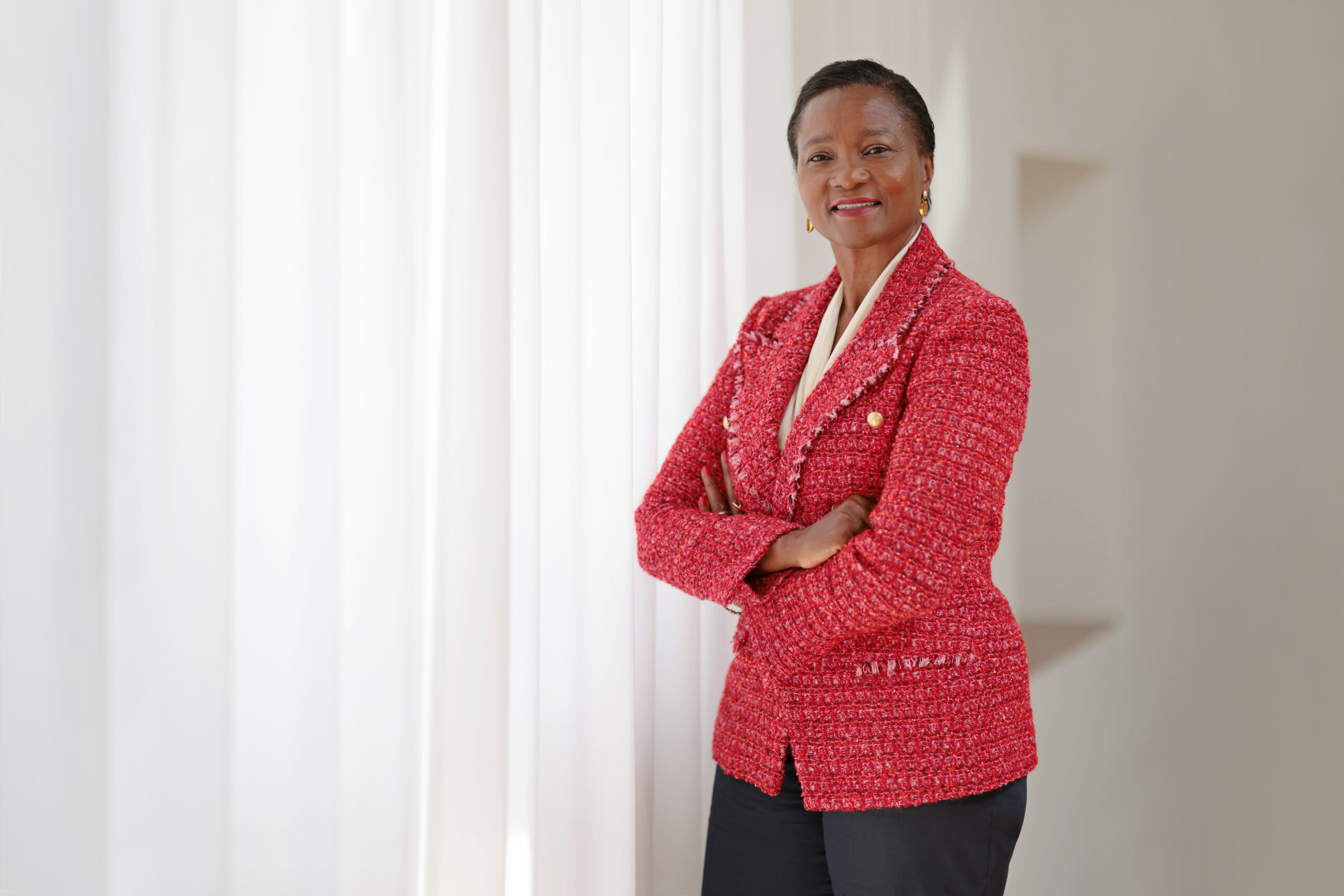
Founder of Diversity Compass Peggy Grueninger
The global economy is no longer defined by traditional job pathways, but by hybrid, skill-based careers that transcend borders. For Africa, a continent with a burgeoning youth population, the urgency to evolve education systems is not just an economic necessity – it is a moral imperative.
To prepare young people for global careers, we must move beyond content-heavy curricula and toward a model rooted in entrepreneurship, economic reality, and practical capabilities.
Breaking structural barriers
The shift toward a “future-ready” education system is currently hindered by significant structural hurdles. Financial literacy gaps, lack of well-educated educators, and limited access to practical digital resources remain the primary roadblocks. Furthermore, many systems are still anchored in outdated policies that fail to protect the quality of education or address the rise of uncontrolled misinformation.
To bridge this gap, education must move beyond the slow and tedious academic structures of today. For those without a purely academic inclination, the focus must shift toward rapid, interdisciplinary, and hybrid learning.
Insights from leadership: Peggy Grueninger
Founder of Diversity Compass Peggy Grueninger emphasises that preparing youth for the world must start with fundamental dignity and the removal of physical and social barriers. She advocates for a system that recognises the “human” element of learning.
Reflecting on the importance of nurturing the next generation, Grueninger said, “Education expands your horizons. Supporting kids in need is the purest contribution to humanity… it is a fundamental part of our culture and collective character.”
Through Diversity Compass, Grueninger highlights that global readiness is impossible if society ignores the foundations of intellectual development. She points out that education in a child’s mother tongue significantly influences mental development, promoting a positive attitude toward learning and making the transition to broader education more effective.
The South African balancing act
South Africa serves as a critical microcosm of these challenges. The nation must perform a delicate balancing act – addressing foundational literacy while simultaneously equipping students with future-focused skills to mitigate the tech-skills shortage already being felt today.
While current assessment systems in South Africa and much of the continent – remain hierarchically structured and standardised by law, they are increasingly misaligned with the workforce. Grueninger suggests that the future lies in portfolio-specific assessments rather than standardised exams. Students should be assessed on their ability to apply knowledge quickly to current issues and sustainability, rather than their ability to memorise content.
Capabilities over qualifications
In a skills-based global economy, traditional qualifications are losing their edge. Jobs that can be automated, such as clerical work, translations, and paralegal services, are already being absorbed by technology. To compete, African youth must focus on:
- Interdisciplinary skills: Finding the intersection between tech, health, and intercultural communication.
- Practical soft skills: Integrating politics, sustainability, and critical thinking into their environment.
- Industry partnerships: Moving toward the “Academy Model” seen globally, where companies create parallel learning opportunities within their organisations to expose students to various departments and practical solutions.
The Role of government and the private sector
Bridging the digital divide requires a two-pronged approach. Governments must support the private sector by reducing policy hurdles and opening doors for young professionals in politics. Simultaneously, there is a dire need for laws that protect local intellectual property, such as the African genome data, and support local scientists on global platforms.
By investing in education that prepares youth for local markets with global connections, leveraging interregional trade agreements like those in Rwanda and Angola, Africa can ensure its education system is no longer just income-based, but a true engine for innovation and global leadership.
“Supporting kids in need is the purest contribution to humanity,” Grueninger adds. “It expands horizons and is a fundamental part of our collective character. But that support must be paired with a modern system that allows them to compete on a global platform.” Peggy concluded.