


Hair loss is no longer a condition people simply accept. Across the world, a quiet but profound shift is underway — one driven by advances in surgical technique, a growing understanding of regenerative medicine, and a generation of patients who are seeking answers earlier than ever before. According to a January 2026 report by Mordor Intelligence, the global hair transplant market was valued at USD 6.42 billion in 2025 and is projected to reach USD 10.64 billion by 2031, growing at a compound annual rate of 8.78 percent. Behind those figures lies a more nuanced story: the rise of minimally scarring Follicular Unit Extraction techniques, a surge in female patients — now the fastest-growing treatment cohort globally — and an increasing integration of regenerative therapies such as Platelet-Rich Plasma into surgical protocols.
Medical tourism is also reshaping the landscape. As patients become more informed and more mobile, the question of where to seek treatment — and from whom — has never carried greater weight. The same report highlights the widening gap between high-cost markets and accredited international centres offering comparable standards at a fraction of the price, raising important questions about quality, safety, and what truly distinguishes a clinic worthy of trust.
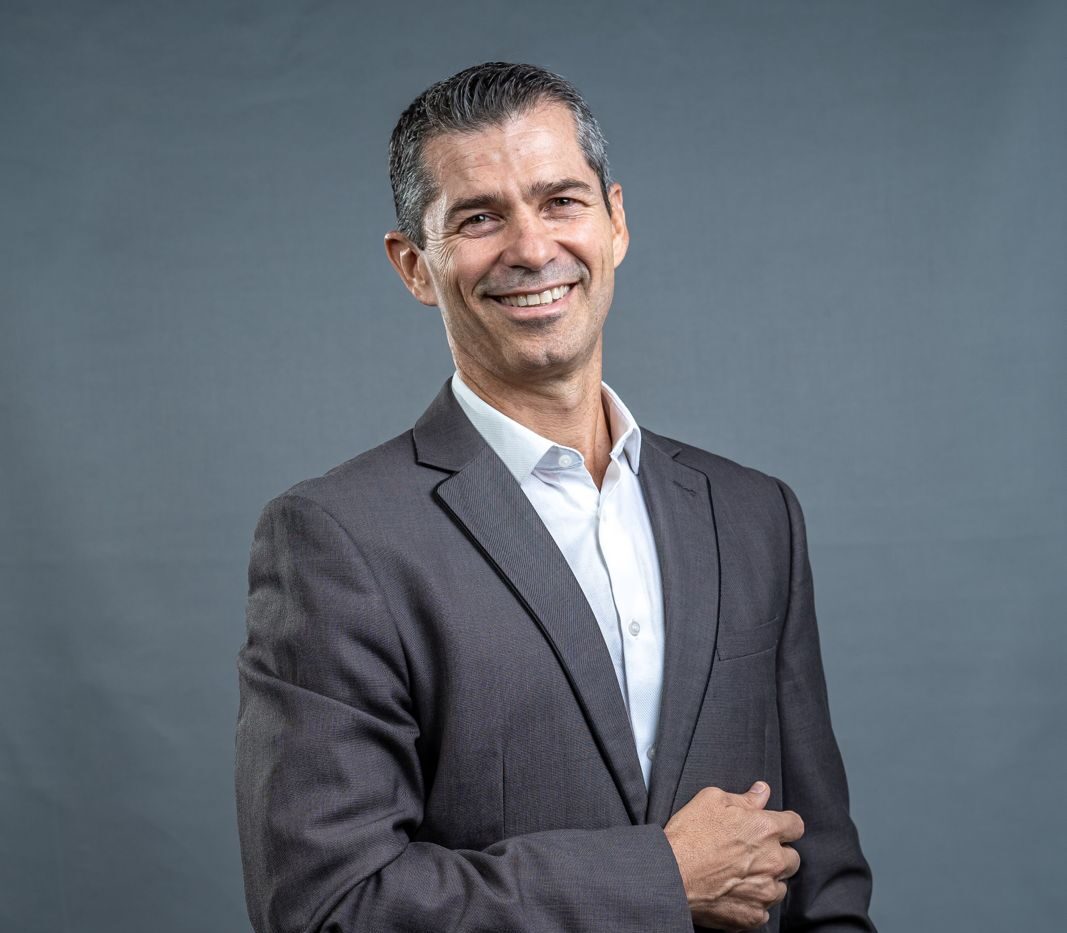
At the Centre de Chirurgie de l’Océan Indien (CCEOI), hair restoration has been a core speciality for over 25 years, placing the clinic among the most established in the Indian Ocean region. To explore what the global data means for patients in Mauritius and beyond, Raphaël Bax, director at CCEOI shares his insights on the evolving science of hair restoration and the philosophy that guides every treatment decision at CCEOI. Excerpts:
- Global data shows FUE is now the most widely used hair transplant technique, with combination FUT+FUE approaches growing fastest. What techniques does CCEOI use, and how do you decide which approach is right for a particular patient?
At CCEOI, our preferred technique is Sapphire FUE, which allows us to harvest and implant individual follicular units with precision while minimising visible scarring and downtime. Over the years, we have refined our protocols to achieve natural-looking results that respect the patient’s existing hair pattern and long-term evolution.
The most important decision is not the technique itself, but whether the patient is a good candidate and what their long-term hair loss journey is likely to be. During the consultation, we assess the quality of the donor area, the extent and progression of hair loss, family history, age, hair characteristics, and the patient’s expectations.
For some patients, a transplant is the right solution immediately. For others, especially younger patients or those experiencing active hair loss, we may first recommend regenerative treatments such as PRP or medical management to stabilise the condition. Every treatment plan is individualised because no two patients lose hair in exactly the same way.
- Worldwide, the number of women seeking hair restoration is growing faster than the number of men. Have you seen a similar shift among your patients in Mauritius, and what tends to bring women in for treatment?
Absolutely. Over the past few years, we have seen a significant increase in the number of women seeking advice and treatment for hair loss. In Mauritius, as elsewhere, women are becoming more aware that hair thinning is a medical condition that can often be treated, rather than simply accepted. The reasons women consult is often different from those of men. Rather than complete baldness, they are usually concerned by progressive loss of density, widening of the parting line, hormonal changes, stress-related shedding, post-pregnancy hair loss, or changes associated with menopause.
What is particularly encouraging is that women are seeking help earlier. This often allows us to intervene before the condition becomes advanced, which can significantly improve treatment outcomes and help preserve existing hair.
- PRP and similar regenerative treatments are increasingly used alongside surgery to improve results. Does CCEOI offer these, and what difference do they make for patients?
Yes, regenerative medicine has become an important part of modern hair restoration, and CCEOI has integrated these treatments into many of our patient protocols. We offer PRP (Platelet-Rich Plasma), LED therapy, scalp analysis, and personalised hair regeneration programmes. These treatments can be used before a transplant, after a transplant, or as standalone solutions for patients who are not yet candidates for surgery.
The goal is to create the healthiest possible environment for hair growth. PRP, for example, uses growth factors derived from the patient’s own blood to stimulate the scalp and support existing follicles. While it does not replace a transplant when follicles have been permanently lost, it can help strengthen thinning hair, improve hair quality, and support recovery and graft maturation after surgery.
Today, the best results often come from combining surgical expertise with regenerative therapies and long-term follow-up.
- Patients are increasingly seeking treatment in their twenties, often before hair loss becomes severe. What’s your advice to someone who’s just starting to notice thinning—is earlier always better?
The short answer is that earlier assessment is better, but earlier surgery is not always better. Hair loss is a progressive condition. When someone notices thinning in their twenties, the first step is to understand what is happening and why. A proper diagnosis allows us to identify whether the hair loss is genetic, hormonal, stress-related, nutritional, or linked to another medical condition.
In many cases, the priority is to stabilise the loss rather than rush into surgery. The earlier we intervene, the more options we have available to preserve existing hair and potentially delay or reduce the need for transplantation in the future. A hair transplant should be viewed as part of a long-term strategy. The best outcomes are achieved when treatment is planned with the patient’s future hair loss pattern in mind, not just their current appearance.
- With medical tourism for hair transplants growing, and concerns about unlicensed clinics, what should patients look for when choosing where to have this done, and what sets CCEOI apart?
Patients should remember that a hair transplant is a medical procedure, not a commodity. Price should never be the only factor. Before choosing a clinic, patients should verify who will perform the procedure, whether a qualified doctor is involved throughout the process, what follow-up care is provided, and whether realistic expectations are being discussed. They should also ask to see genuine patient results and ensure that the clinic has an established medical infrastructure and clear protocols for patient safety.
At CCEOI, we have been dedicated to hair restoration for over 25 years, making us one of the most established centres in the Indian Ocean region. Our approach is built on medical assessment, personalised treatment planning, Sapphire FUE expertise, regenerative therapies, and structured long-term follow-up.
Most importantly, we believe that successful hair restoration is not about transplanting the maximum number of grafts. It is about achieving a natural result that will still look good ten or twenty years from now. That philosophy guides every recommendation we make.